In 2017, I photographed multi-racial students on my college's primarily white campus. As I made their portraits, I interviewed them about their experience of living an in-between identity at a time when political rhetoric was consumed with definitive statements about The White Experience, The Black Experience, The Asian Experience, etc, in America. I asked them each for an object that, to them, represented their experience living in the margins of identity and paired it with their image. Below I've included excerpts from the interviews and the original show statement.
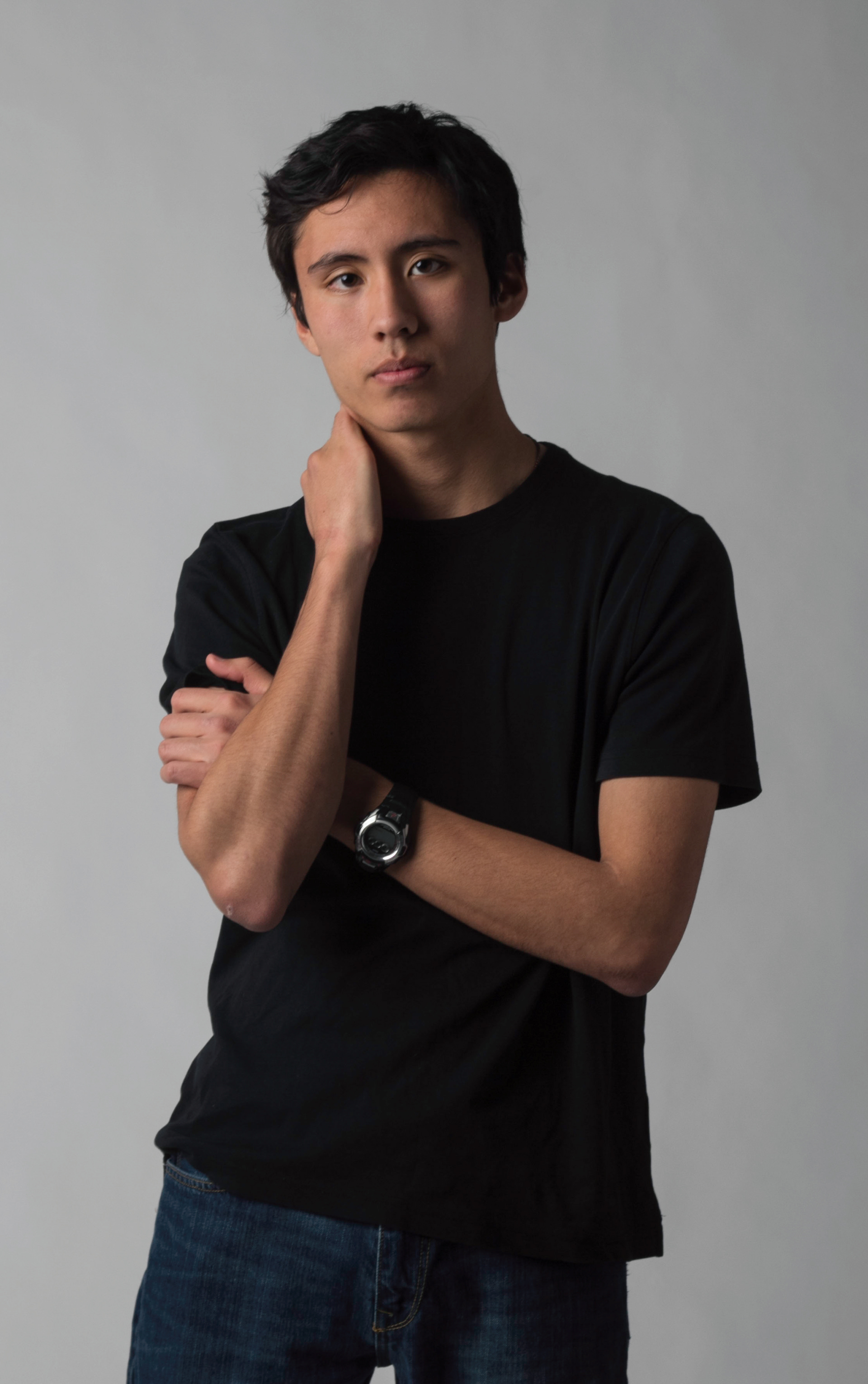
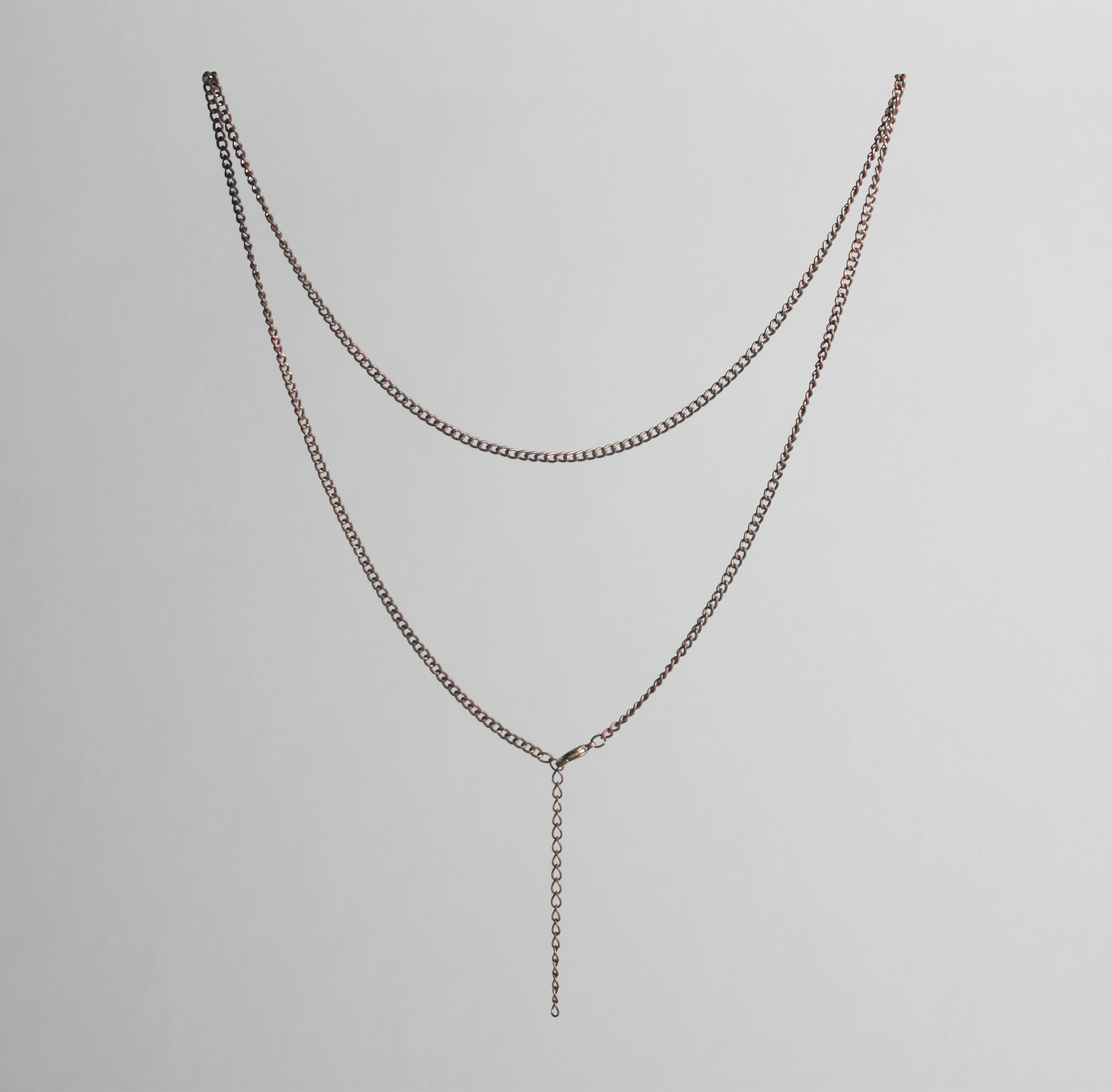
"As a multiracial person, I am as often no race as I am both races, since race is so often used in the singular, as a determining factor or a label. Being two or more races, I have discovered, can negate the traditional function of race - to identify one. Thus, I must look for identity beyond my origins - I must look for my sense of self elsewhere. This is both freeing and lonely.”
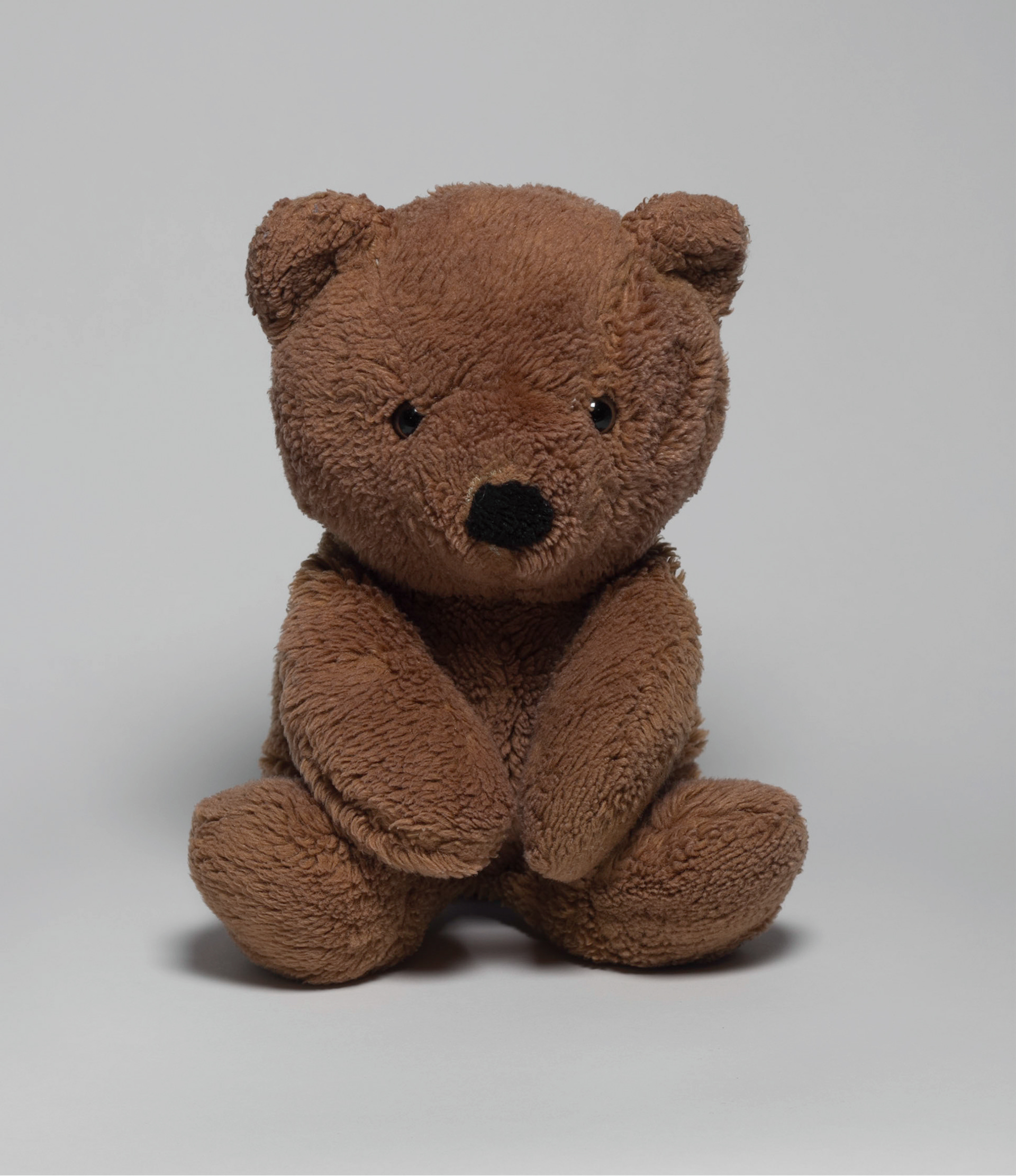
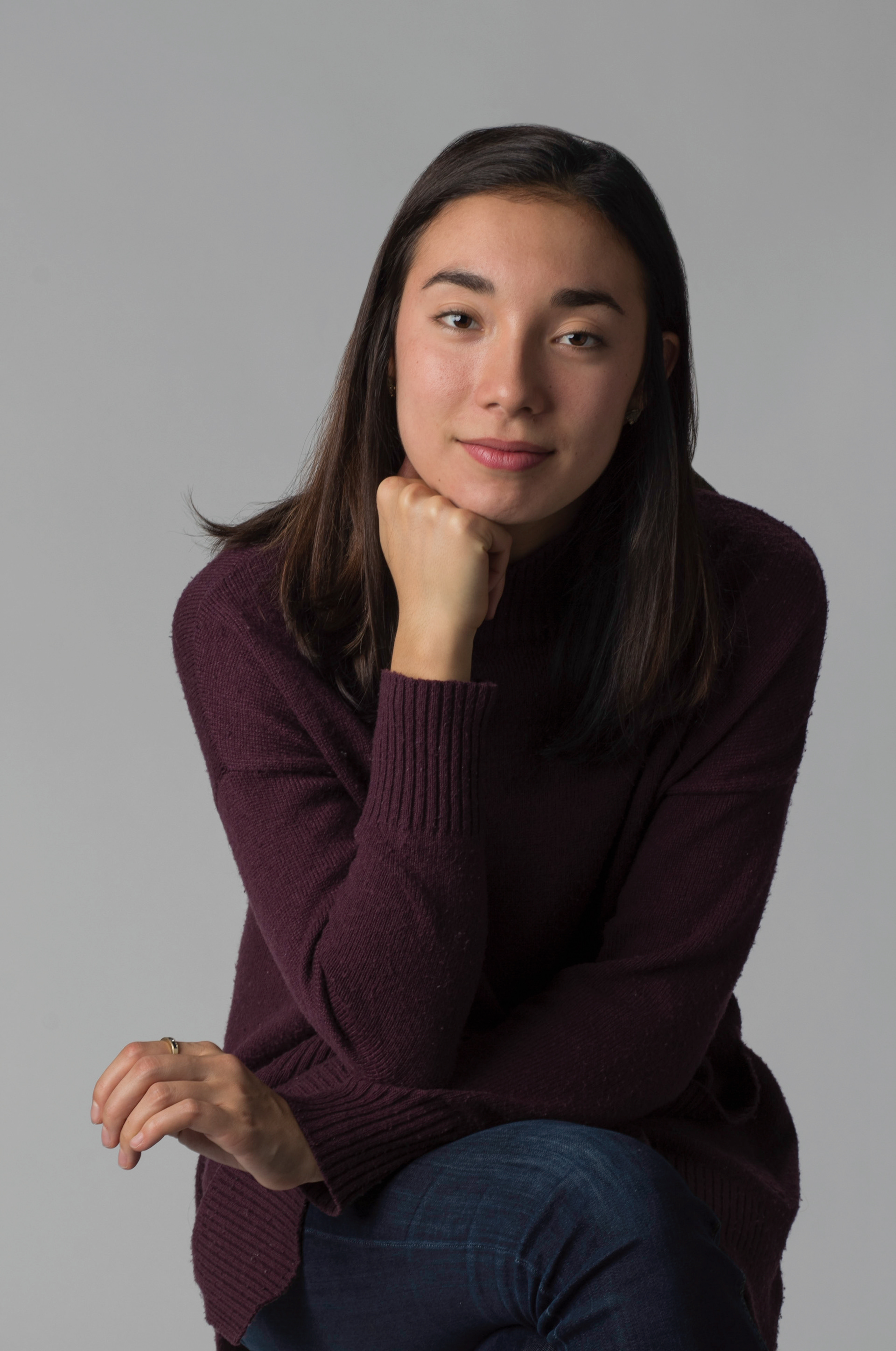
“I’ve never thought of myself as a biracial person...Or, at least, my identity wasn’t primarily invested in my race. Growing up, I valued my Japanese heritage but never felt as if it shaped me negatively or shaped others’ perceptions of me negatively.”
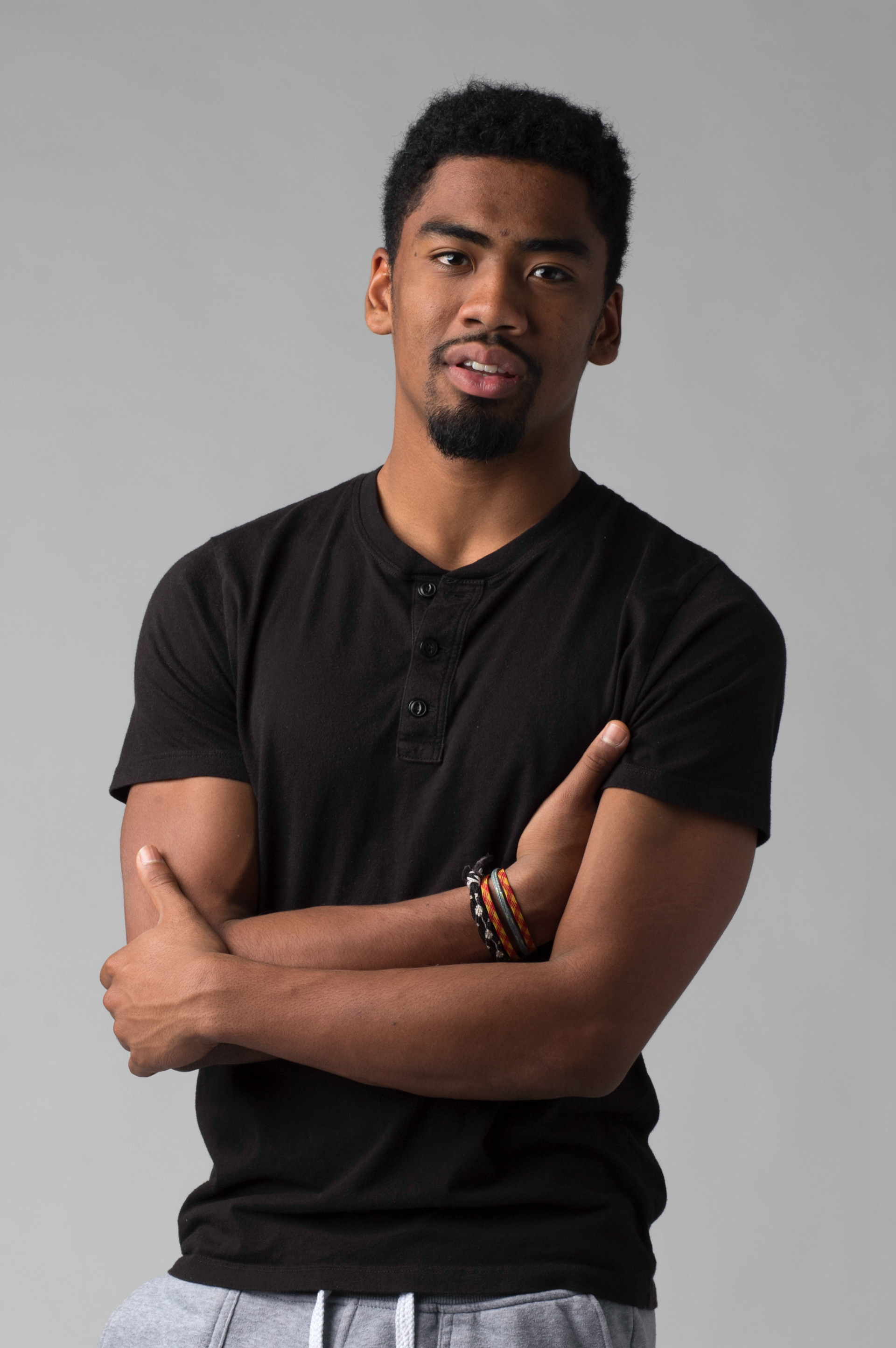
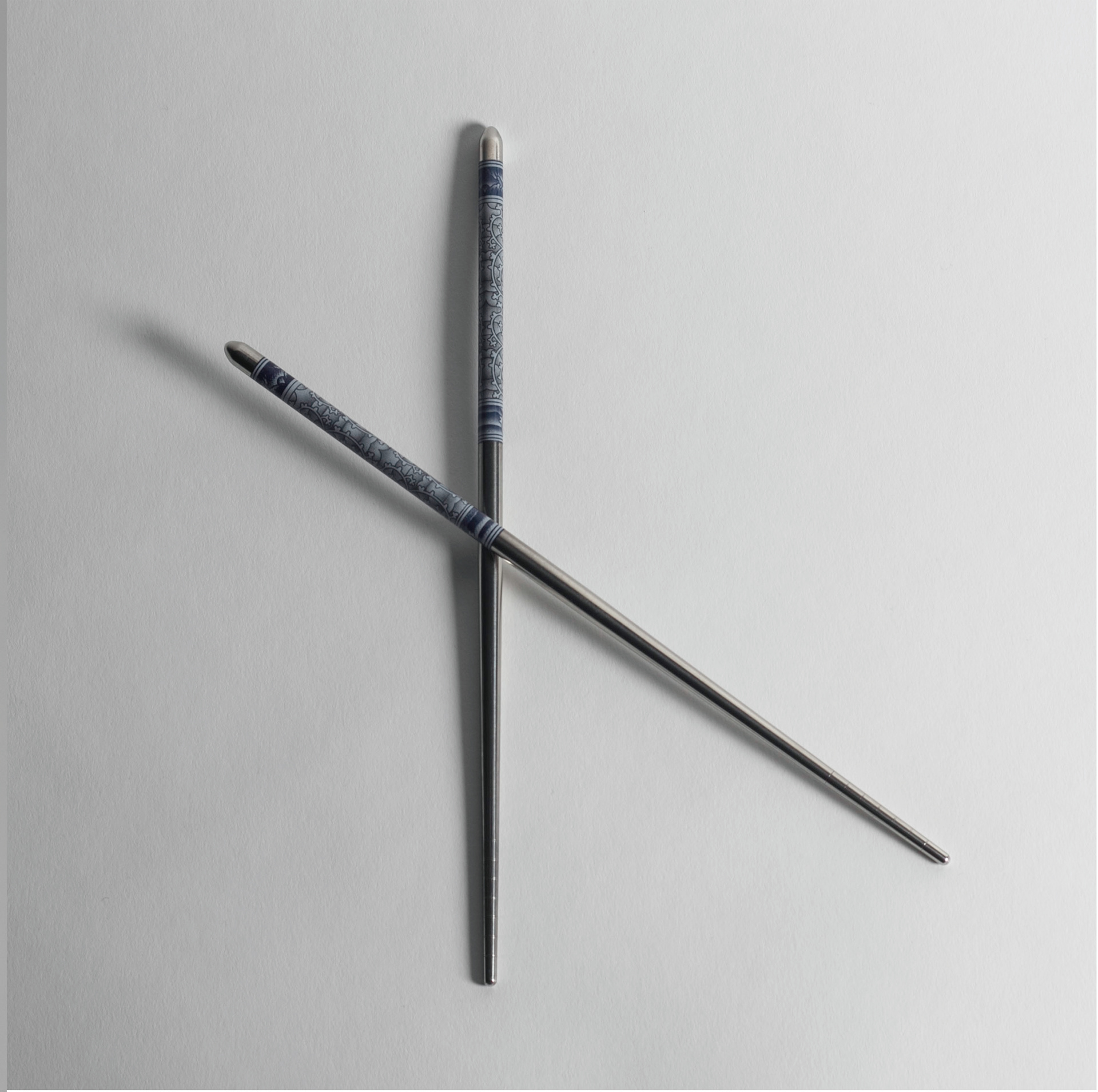
“Growing up biracial has generated much confusion concerning my conception of my identity. When I look in the mirror I see a black male, and I am always profiled by others as such; meaning myself and these others overlook the Chinese part of me which is equally as present as the African side. This has caused confusion, as my African heritage has been the part of me which is highlighted, challenging my ideas of how to reconcile the two parts of my identity because of their equal parts. It has been difficult for me to understand the cultures of each as I have been far removed from both communities. I often struggle to allow both parts of me to exhibit themselves or fully understand my entire heritage completely.”
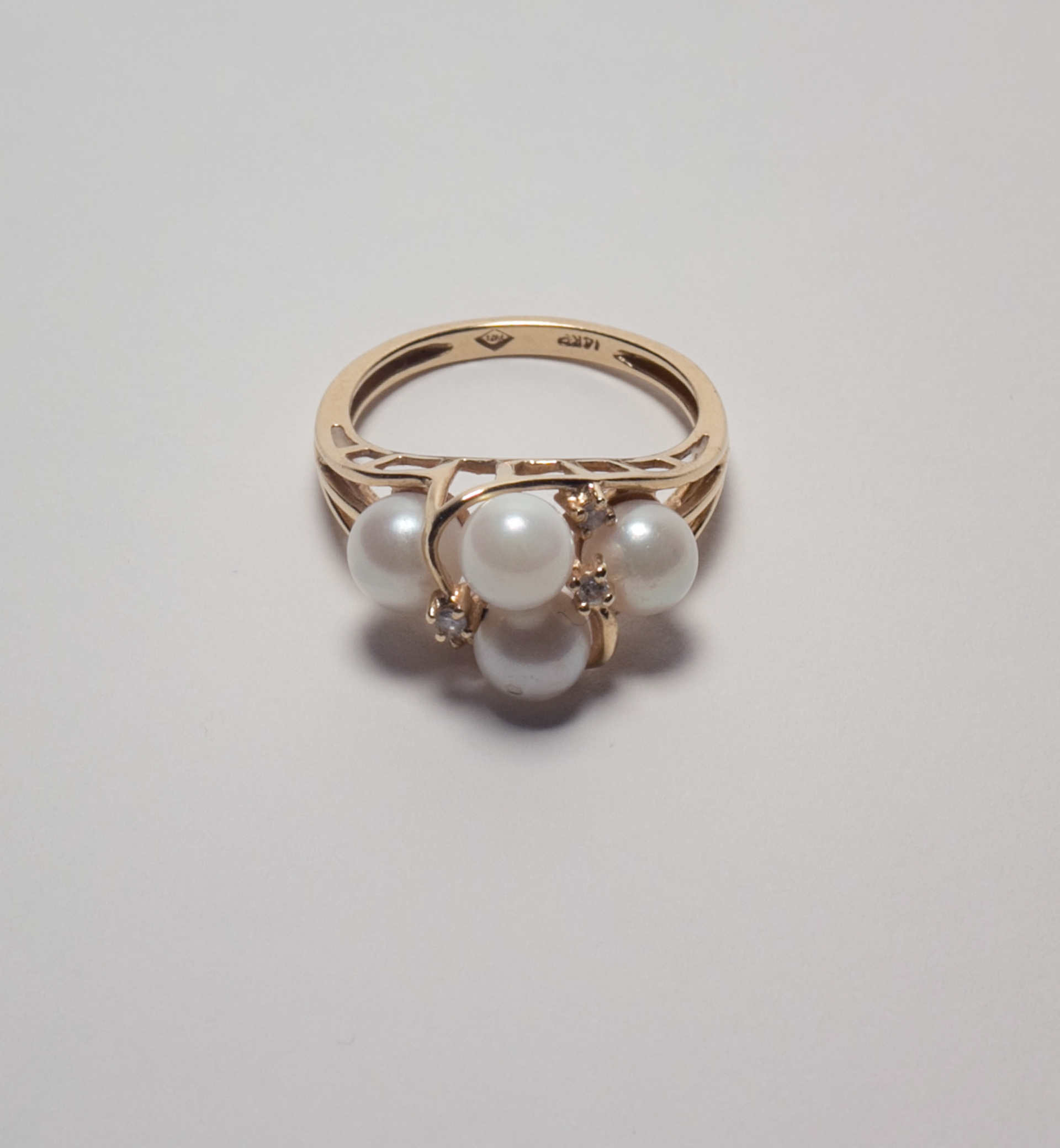
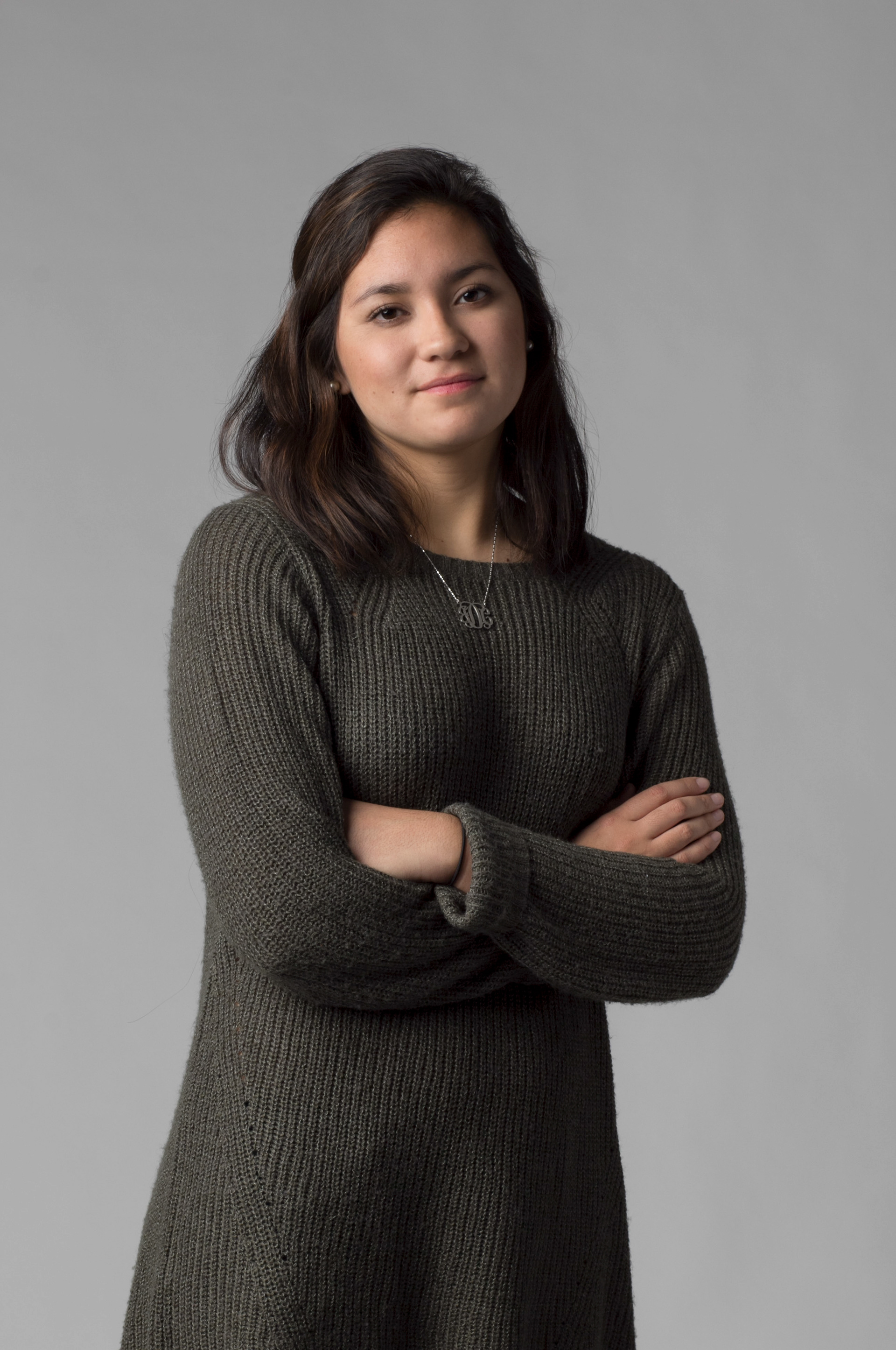
“Growing up, identifying as biracial never occurred to me. I never had the feeling of being treated differently from my white friends, other than my slightly more tan and frequently being mistaken as Hispanic. I identify my Filipino background with my Lola. She tried to teach her grandchildren Tagalog and spoke of her time back in Balangiga. When she passed away while I was still in high school, I felt that part of my background begin to fade away.”

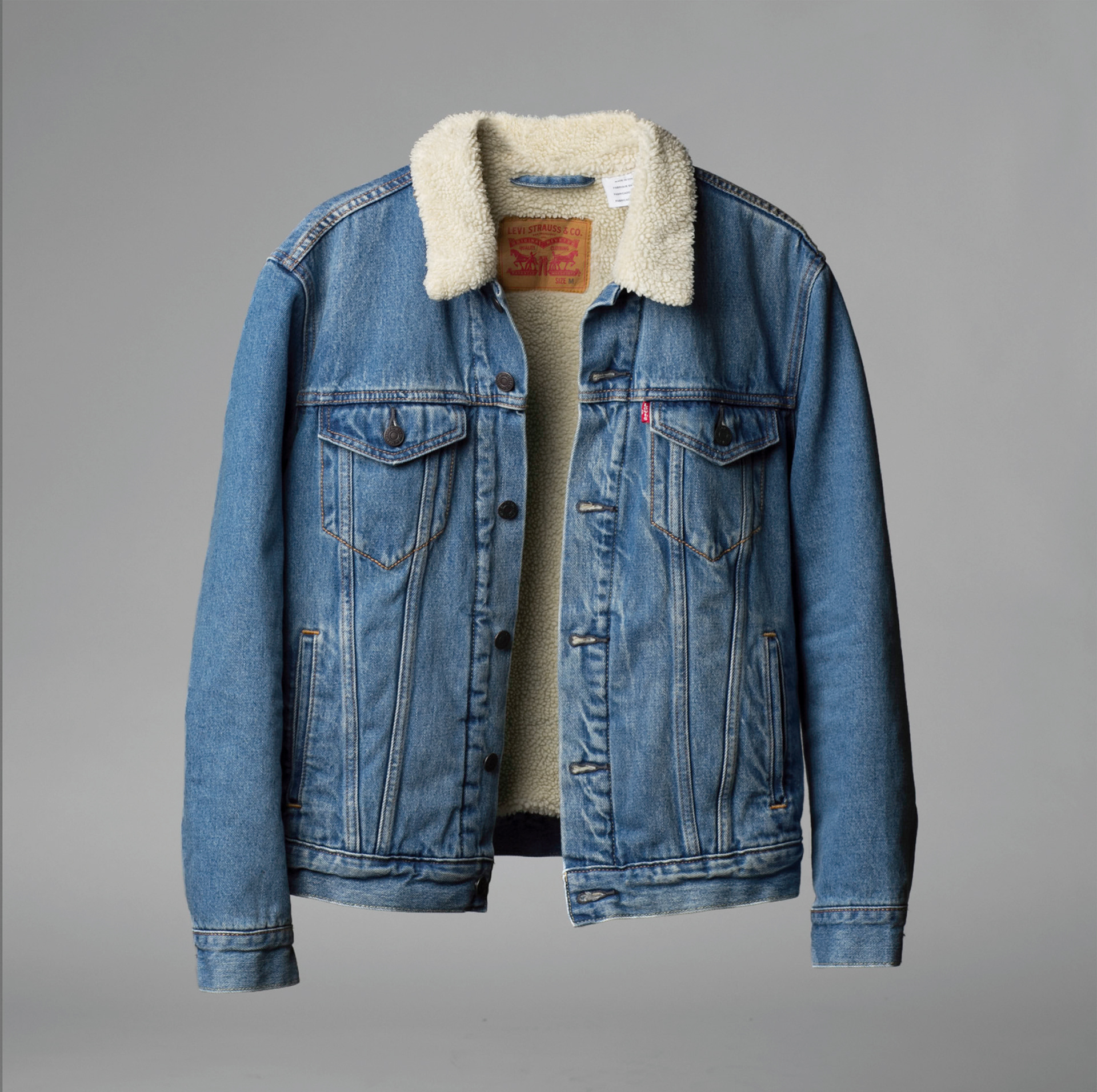
"I received this jacket for Christmas this past year, from my Tio... He was the oldest of my mother's six siblings, and was among the first in my mom's family to emigrate from El Salvador to the U.S. He told me that as he crossed the border from Mexico to the U.S., he was wearing the same type of jacket that I was just given. As a second generation Salvadoran, my heritage was something that I never thought I had to embrace; it simply was. When I received my jacket, it was a sign of my family's desire for me to see and understand what they went through to get to America; what they sacrificed so that I might one day have the privileges of education, a good job, and a meaningful life. I will never be able to thank them enough, and they don't care that I can't; they just love me for who I am."
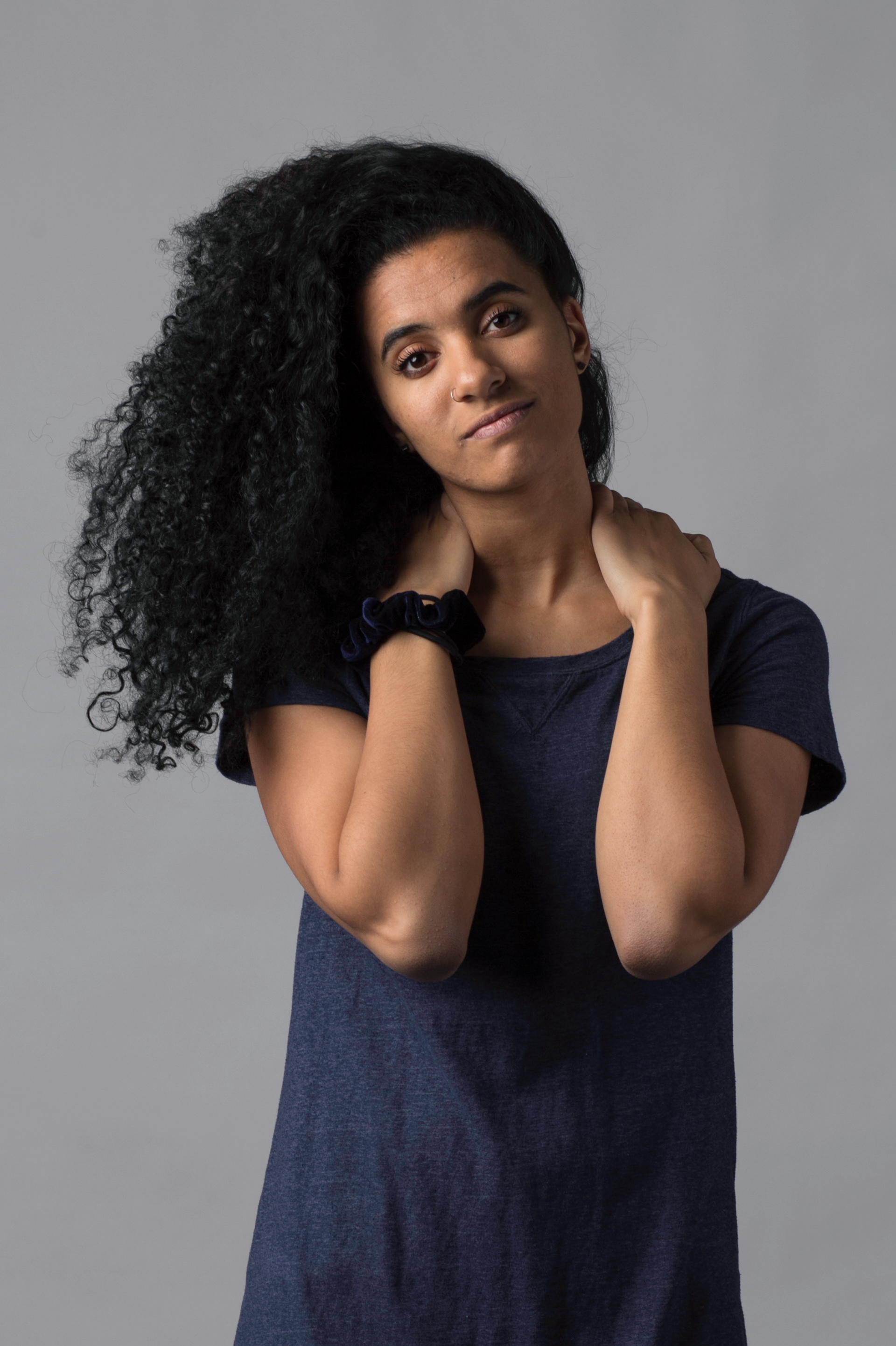
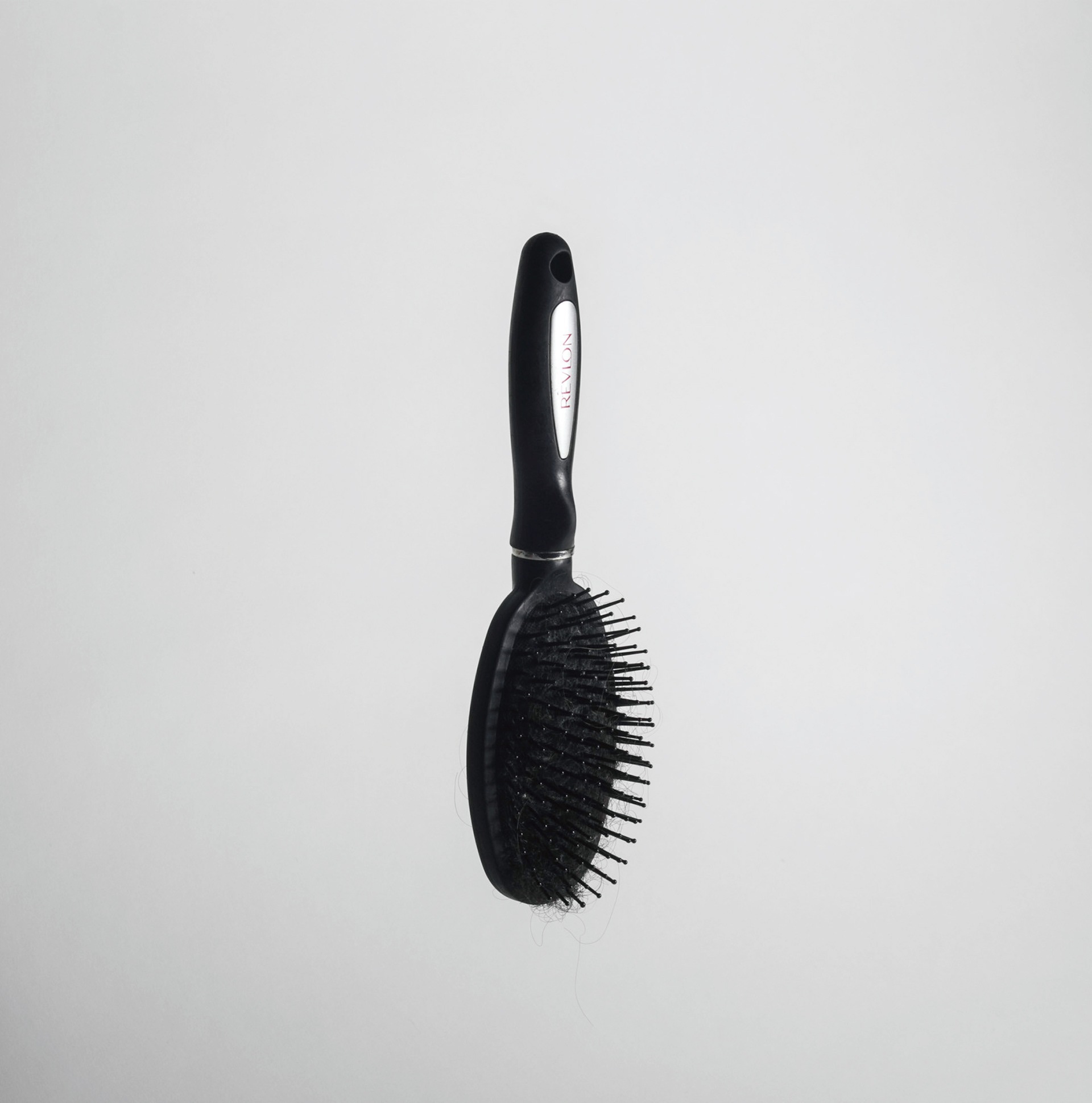
"If I had to pick one aspect of myself to represent being biracial, it's my hair. The amount of attention people of all walks of life give to my hair is borderline ridiculous. The attention is marked by everything from astonished curiosity to envy-tinged contempt. Before I learned to take care of it myself, though, my mom did. I have many a memory of sitting at her feet as she yanked the tangles out of my hair with a bristle brush. It grazed my ears, my forehead, and sometimes my nose, and it hurt like all else. Looking back, though, I wouldn't trade it. I love my hair now. It took me seventeen and a half years, but I finally love my hair, and by extension I better love myself."
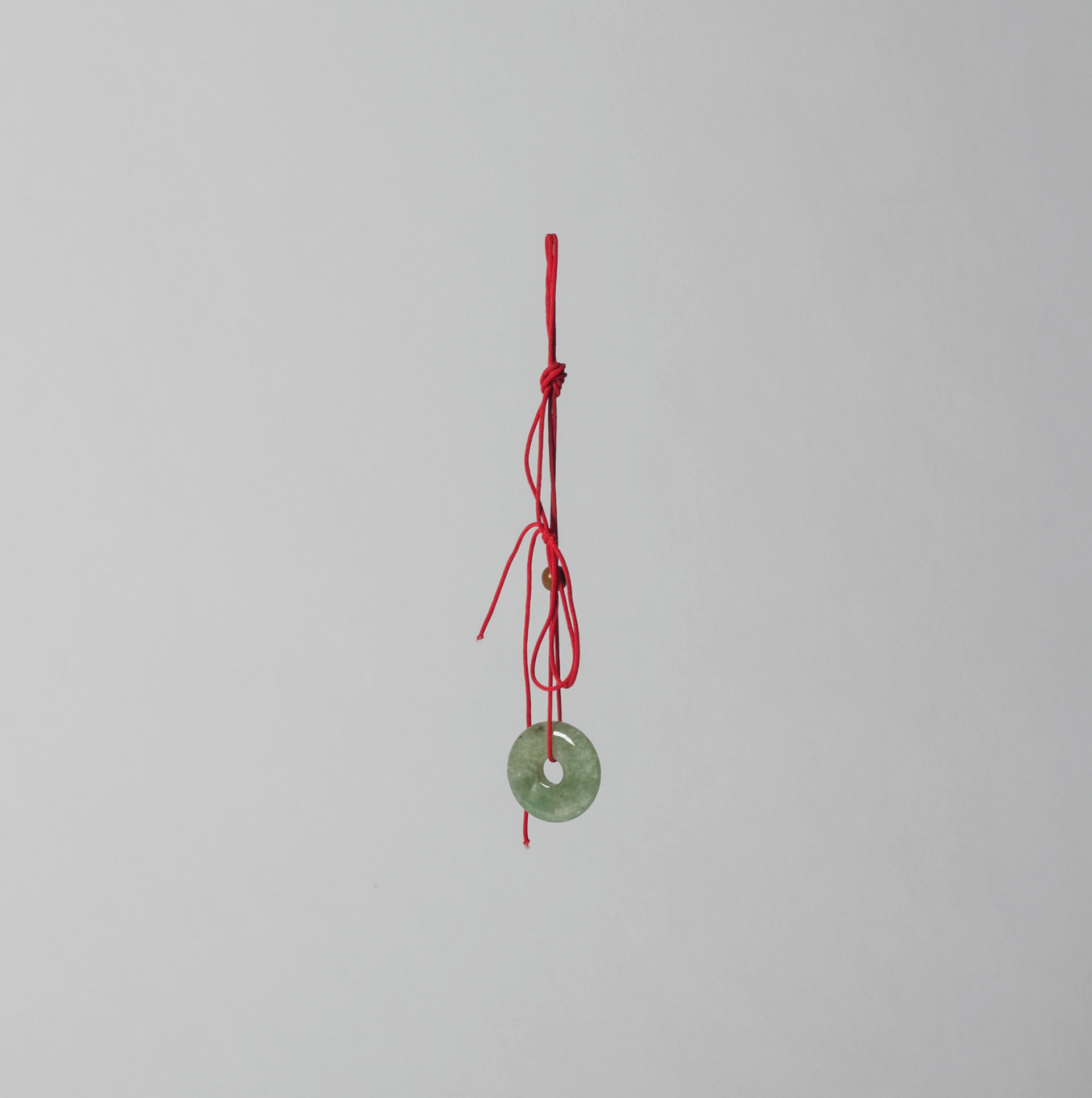
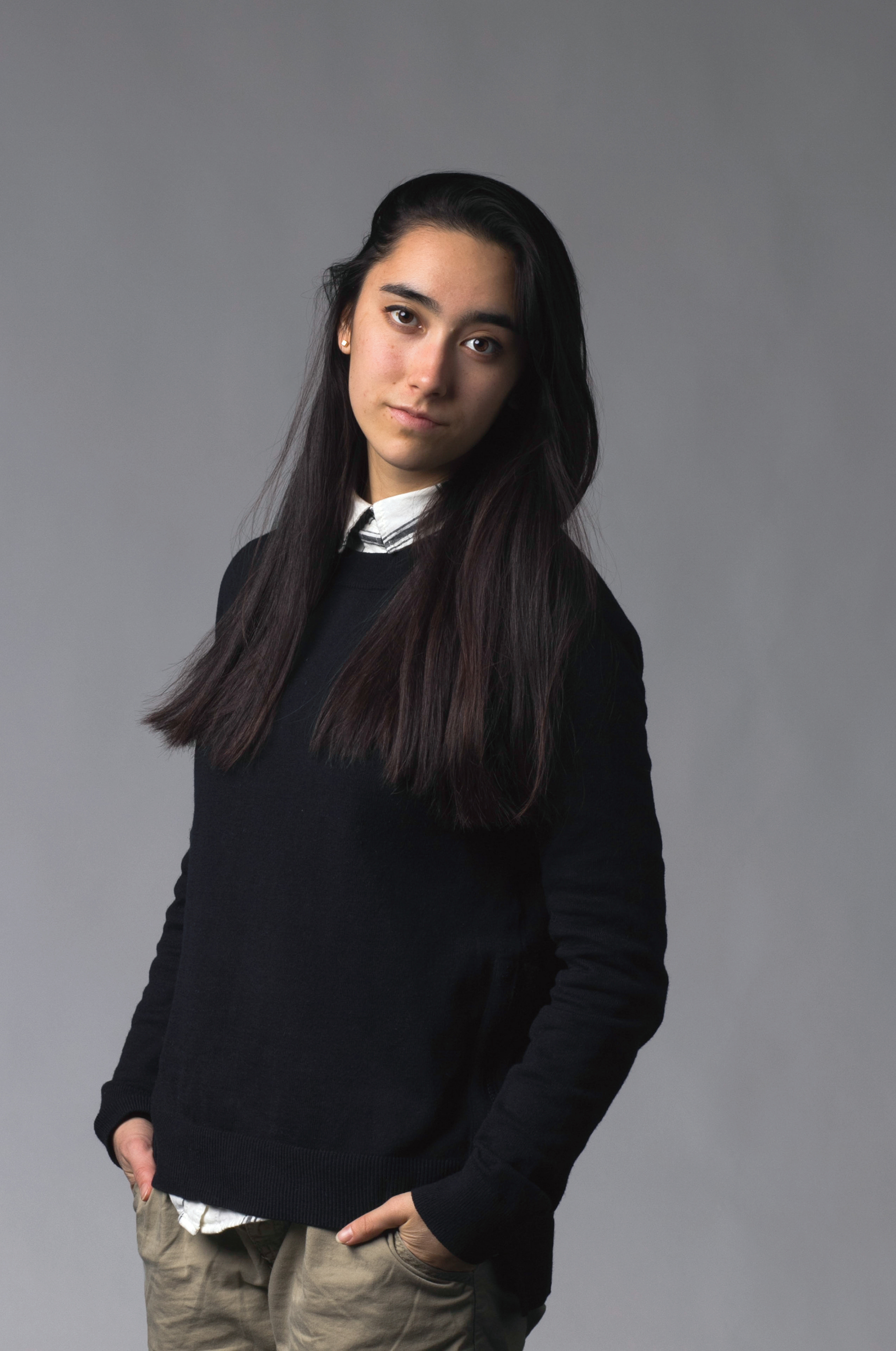
my father is chinese. my mother is white.
we live in a country where there is a lot of rhetoric on what it means to be
white
black
asian
latino
etc
the rhetoric accords to each of these an identity based on where their parents’ parents’ parents were born
or where they themselves were born
the culture they brought with them to america
or the culture they choose to cultivate
sometimes they accord intelligence, or prowess, or violence
aspects which may or may not have been earned
to deny that race & ethnicity are important would be foolish
to claim they are ultimate would also be foolish
if you are whole, you belong somewhere entirely and have a culture nobody else can lay claim to
if you are whole, you are already labeled and defined by people you will never even meet
in a conversation where one is defined as a whole, how do we talk about being halved?